Danes Acupuncture
Cupping Therapy in Forster
Explore cupping, a traditional technique that uses suction cups on the skin, with treatment tailored to your concerns and comfort.
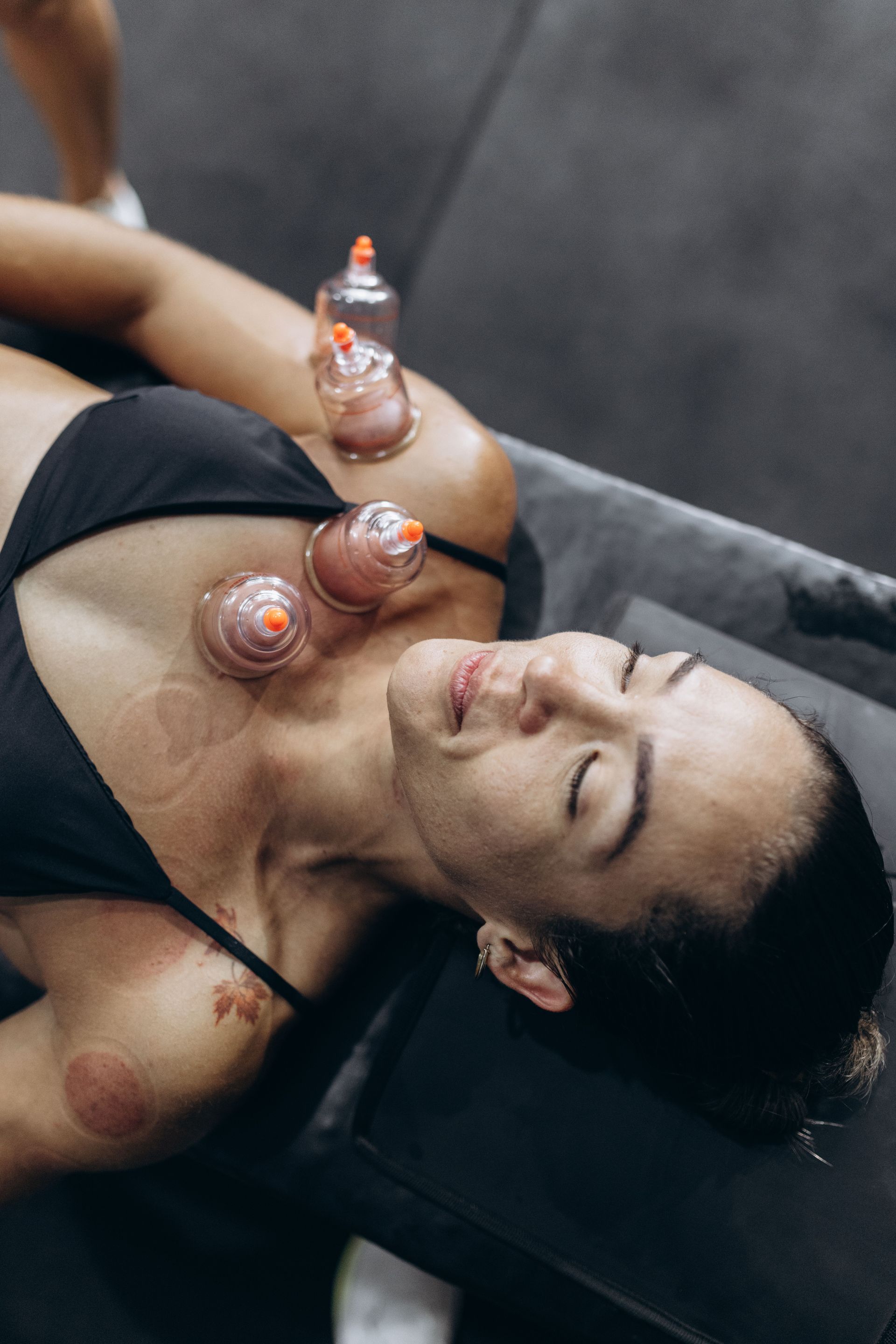
traditional cupping methods
Targeting Discomfort, Promoting Wellness
Cupping therapy is a traditional treatment that uses cups to create suction on the skin, drawing the underlying tissue upwards. At Danes Acupuncture in Forster, your appointment starts with a discussion about your individual concerns, health history and whether this technique suits your circumstances.
Dane explains where he proposes placing the cups and what sensations you may notice, including a pulling feeling. Suction can leave temporary circular marks, so he discusses these and other possible effects before treatment. Our approach gives you time to ask questions and understand the process before deciding to proceed.
We encourage you to mention skin conditions, current medications or previous reactions that could influence treatment suitability. Dane considers this information when planning your session and checking your comfort throughout. Cupping may feature alone or alongside other Chinese medicine techniques where appropriate. Book online or call 0481 109 460 to discuss your options and arrange an appointment.
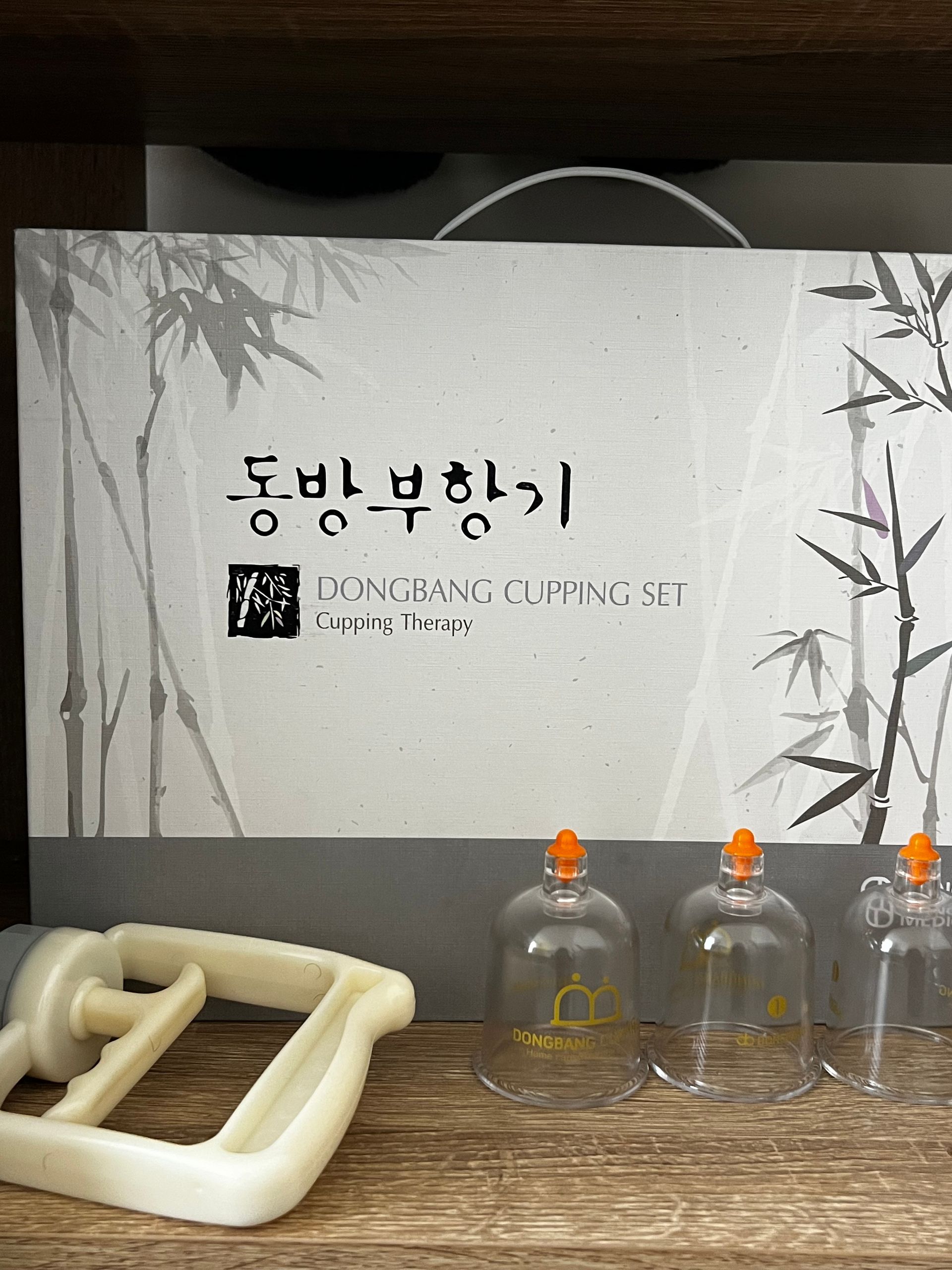
What Cupping Can Treat
Persistent aches can make work, exercise and everyday movement uncomfortable. Dane assesses whether cupping therapy could complement your existing care for concerns such as:
- Lower Back Pain: Cupping may offer temporary relief for some people with persistent lower back discomfort, although research findings remain uncertain.
- Neck Pain: Some studies suggest treatment may ease ongoing neck pain, but stronger evidence is needed to establish its effectiveness.
- Shoulder Pain: Limited research suggests cupping may reduce persistent shoulder discomfort, without establishing that it treats the underlying cause.
- Knee Osteoarthritis Pain: Cupping has shown potential for easing associated knee pain, but it does not reverse joint damage.
- Muscle Trigger Point Pain: Tender areas within muscles have been studied as a possible treatment focus, although evidence for cupping remains limited.
These are potential uses for symptom management, with suitability depending on your diagnosis and individual circumstances. Book online to discuss your concerns and treatment options with Dane.
Need Help?
Frequently Asked Questions
Is cupping suitable for everyone?
No, suitability depends on the technique, treatment area and your health. Cupping can aggravate eczema or psoriasis and should not be applied over damaged or infected skin. Discuss medical conditions, pregnancy and medications before treatment, especially anything affecting bleeding or healing, so a healthcare professional can assess your individual risks.
Why are cups sometimes moved during treatment?
In moving cupping, the practitioner applies oil or lotion and slides the cups across the skin while maintaining suction. Stationary cupping leaves them in selected positions instead. These approaches create different sensations, so ask which technique is planned and mention allergies or sensitivities to products before they touch your skin.
Can cupping be combined with acupuncture?
Cupping may feature alongside acupuncture in a treatment plan, but combining techniques does not automatically make treatment more effective. The practitioner should explain the purpose and risks of each method and obtain your consent. Share details of other healthcare you receive so decisions consider your overall circumstances and treatment preferences.


